Scatec Grows Romania Platform to 267 MW as €85.5 Million From EIB, EBRD and BCR Carries 190 MW Oltenia Solar Build
Scatec now has 267 MW under construction in Romania; its 190 MW Oltenia solar build carries €85.5 million of senior debt from the EIB, EBRD and BCR.
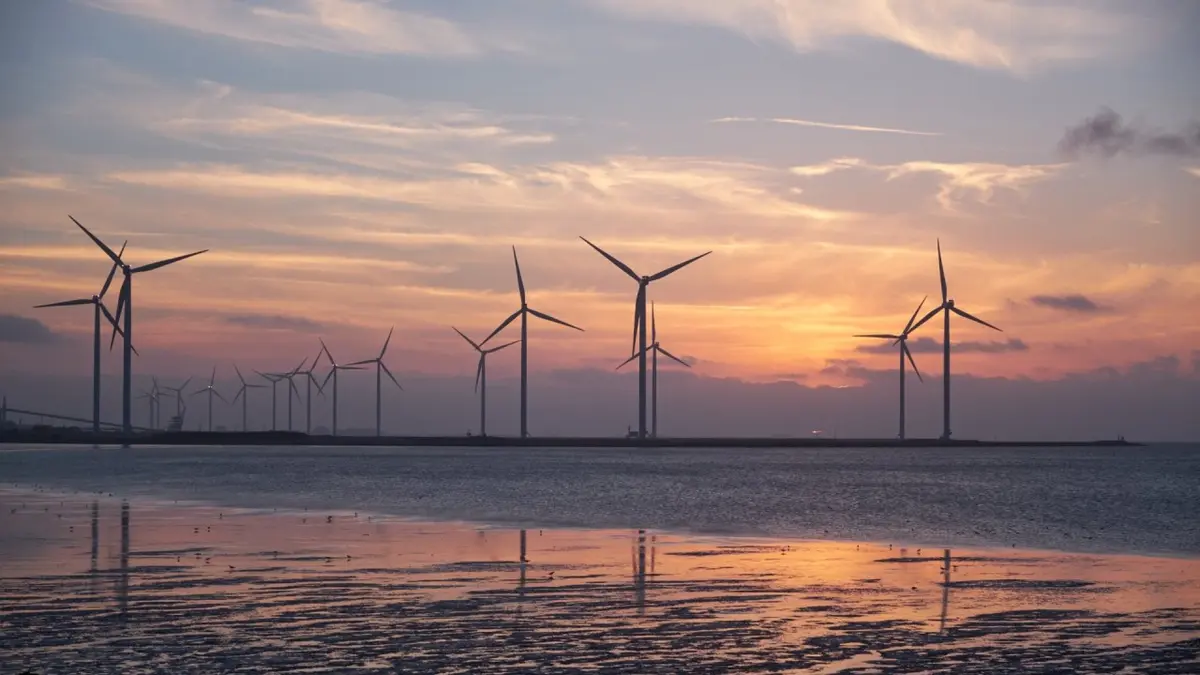
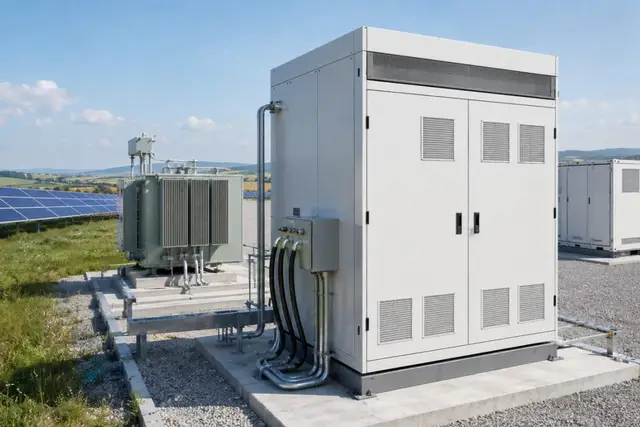
Scatec ASA now has 267 MW under construction in Romania after starting work on the 77 MW Urleasca onshore wind farm in August 2026. Its first Romanian assets, three solar plants totalling 190 MW in Oltenia, have been under construction since February 2026, with the European Investment Bank (EIB) targeting full commercial operation in September 2027.
The solar portfolio, owned 65% by Scatec and 35% by Istanbul-based Defic Globe, is backed by €85.5 million of senior debt from the EIB, the European Bank for Reconstruction and Development (EBRD) and Banca Comercială Română (BCR), against total capex of €121 million.
The deal: €85.5 million of senior debt on €121 million of capex
Early coverage presented the €121 million as a financing package. Scatec’s own disclosure puts total capex at €121 million with leverage of about 70%, and the EBRD itemises the senior debt:
- EIB: €34 million senior loan
- EBRD: €34 million senior secured loan
- BCR: €17.5 million senior loan
The EBRD loan is split in two. A €28 million tranche finances a 61.9 MW plant with merchant exposure, while a €6 million tranche goes to a 127.8 MW block supported by a 15-year Contract for Difference (CfD).
The CfDs were won in Romania’s first CfD auction, held in late 2024 and funded through the EU Modernisation Fund, with power market operator OPCOM as counterparty. The EIB says two of the three plants hold CfDs covering about two-thirds of expected output for nearly 15 years; Scatec puts coverage at roughly 70%. The remaining output will be sold on the Romanian wholesale market.
Scatec has not disclosed its strike price. For reference, the auction awarded 432 MW of solar at a weighted average of €51/MWh, with accepted bids between €45.05/MWh and €54.18/MWh against a €78/MWh ceiling.
The cost base has moved in the sponsors’ favour. When the CfD award was announced in January 2025, Scatec guided capex of €140 million and leverage of about 75%. At financial close, capex was €121 million, about 14% lower, with leverage trimmed to around 70%.
Roles are clearly split. Defic Globe provides turnkey EPC services, Scatec procures key components representing about 35% of total capex, and Scatec will run operations, maintenance and asset management.
“Accelerating renewable-energy investment is key for Europe’s economic strength, energy security and climate ambitions,” said EIB Vice-President Ioannis Tsakiris.
The projects: Dobrun and Sadova
The plants sit in Dobrun, Olt County, and Sadova, Dolj County, in the Oltenia region near the Danube and the Bulgarian border. They are held through three project companies: Solar World SRL, RB Solar Energy SRL and Energie Soleil SRL.
The EBRD puts combined capacity at 189.7 MW, with expected generation of 286.9 GWh a year and 118,600 tonnes of CO2 avoided annually. The EIB says output will be enough for more than 160,000 homes.
Construction began in February 2026. Scatec lists Dobrun & Sadova as under construction and confirmed ongoing work in its second-quarter 2026 results on 21 August, but has not published a completion percentage, a first energisation date or grid connection details. Module and inverter suppliers have not been disclosed. Construction is ongoing toward a September 2027 COD.
Why it matters
CfD-backed bankability. The structure shows how Romanian solar is being financed in 2026: a CfD block that carries most of the output, a merchant tail, and development finance institutions willing to put the larger EBRD tranche into the merchant plant. That is the layer commercial lenders have been slowest to price.
Oltenia as a solar hub. Elsewhere in Oltenia, OMV Petrom and CE Oltenia are building roughly 550 MW across four parks at Ișalnița, Tismana and Rovinari, an investment of more than €400 million, around 70% of it from the Modernisation Fund. Panel deliveries started in July 2026 and the parks are expected online in 2027. Together, the two programmes put more than 740 MW of new solar into Oltenia in the same year.
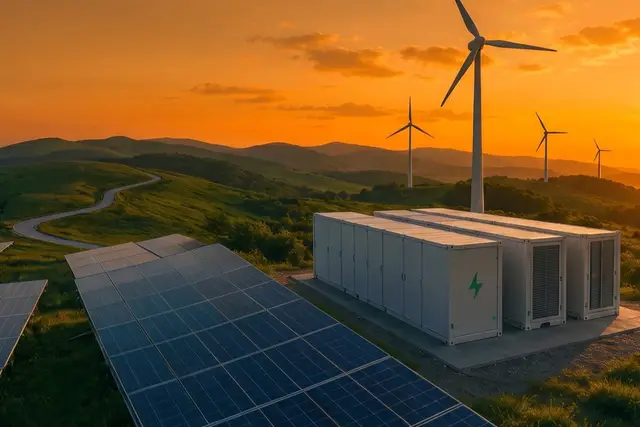
Grid and merchant risk. That concentration raises the obvious questions: midday price cannibalisation, curtailment and connection capacity in the south-west. The merchant third of Dobrun & Sadova is exposed to exactly these dynamics. Scatec has already added a battery storage project in Romania to its backlog, a sign that the sponsor sees storage as part of its Romanian revenue model.
What Turkish EPCs, suppliers and investors can take from this
Defic Globe is the Turkish story inside this deal. It is controlled 51% by YEO Teknoloji in partnership with Emsolt Investments, and reported a Romanian portfolio of 590 MW after acquiring 15 project companies in 2025. Here it holds equity and delivers the EPC, while the listed Norwegian partner brings DFI access and component procurement. For Turkish contractors, the model is clear: minority equity plus EPC alongside a sponsor lenders already know. For suppliers, the sponsor keeps procurement of key components, so selling into these projects means meeting sponsor and lender qualification standards, not just winning on price.
Momentum Energy’s View
At about €0.64 million per MW all-in, 70% gearing and roughly two-thirds CfD coverage, Dobrun & Sadova is a useful reference point for what bankable utility-scale solar looks like in southern Romania in 2026. Developers pricing new projects against it should note that the capex decline since 2025 has gone mainly to lower leverage, not higher debt.
The EBRD’s decision to place €28 million against the merchant plant matters more than the headline number. DFI appetite for merchant exposure is what closes these deals today; sponsors should not assume commercial banks will take the same risk on standalone merchant solar. BCR’s repeat role, now as a mandated lead arranger with Erste Group on Scatec’s Urleasca wind project, shows local banks building exposure to sponsors with a delivery record.
The next markers to watch are first energisation announcements, grid connection timing in Oltenia and whether Scatec pairs its solar with storage. Until then, the September 2027 COD remains a target, not a result.
Sources and references
Organisations and documents cited in this article.