
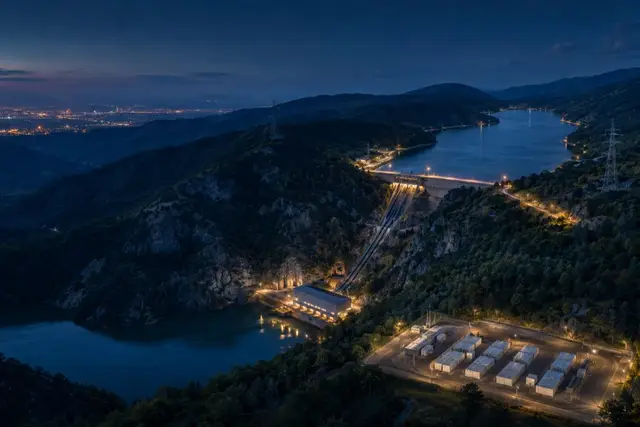
Batteries Solve Hours. Tarnița Could Solve Romania’s Overnight Flexibility Problem.
Batteries cover a few hours of Romania's evening peak. Overnight needs something else. Tarnița is 1,000 MW.

Romania is the fund's largest beneficiary: where the money goes and which calls are open.
In shortThe Modernisation Fund is financed from EU Emissions Trading System revenues and supports energy investments in 13 lower-income member states. Romania's indicative envelope is about EUR 6.7 billion for 2021-2030. The Romanian Ministry of Energy runs the calls: EUR 3 billion backs the CfD scheme, EUR 250 million was allocated in July 2026 to storage and smart meters, and the EUR 150 million standalone battery call runs from 1 September to 30 October 2026 with aid capped at EUR 69,000 per MWh and EUR 15 million per company.
Established for 2021-2030, the fund is financed from the auctioning of 2% of EU ETS allowances and supports the modernisation of energy systems and energy efficiency in 13 beneficiary member states. The European Investment Bank and the European Commission confirm disbursements; national ministries select projects. Romania has been the largest recipient, with an indicative envelope of about EUR 6.7 billion over the decade and disbursements of more than EUR 1 billion by mid-2023.
The Ministry of Energy publishes calls under key programmes covering renewable generation, storage, grids, district heating and industrial decarbonisation. The EUR 3 billion CfD scheme is the largest single use. In July 2026 the ministry allocated EUR 250 million to storage and smart meters. Earlier calls funded co-located batteries and grid upgrades. Applications are filed on the MySMIS platform against an applicant guide published in the Official Gazette.
Published in the Official Gazette on 17 August 2026, the EUR 150 million call for standalone battery storage accepts applications between 1 September and 30 October 2026. It targets at least 2,174 MWh of new capacity, ranks projects by the lowest state aid requested per MWh, caps aid at EUR 69,000 per MWh and EUR 15 million per company regardless of the number of projects, and is open to companies of any size, including newly established ones, operating under CAEN code 35 (electricity generation, transmission, distribution, trading and storage).
Successful applications typically combine a site with confirmed grid capacity, a technical design with a credible supplier, an aid request calibrated to the ranking rule and a company structure that meets eligibility. Because aid is a fraction of project cost, the financing plan for the remainder needs to be in place before the application, not after.
The Modernisation Fund has been the quiet engine of Romania's renewable policy, funding the CfD scheme and now storage. Our view is that investors should read the ministry's call calendar as a deal calendar: the projects that win grants tend to be the ones that already had grid capacity and financing lined up.
The view above is Momentum Energy's opinion and is separated from the sourced facts in the tables. It is not investment advice.
The indicative envelope is about EUR 6.7 billion for 2021-2030, the largest of the 13 beneficiary states. The exact amount depends on ETS allowance prices over the period.
Companies of any size, including newly established ones, operating under CAEN code 35, applying through MySMIS between 1 September and 30 October 2026.
Up to EUR 69,000 per MWh of storage capacity and no more than EUR 15 million per company across all its projects in the call.
Yes. Romania's CfD scheme has a EUR 3 billion budget covered by the Modernisation Fund.
Batteries cover a few hours of Romania's evening peak. Overnight needs something else. Tarnița is 1,000 MW.
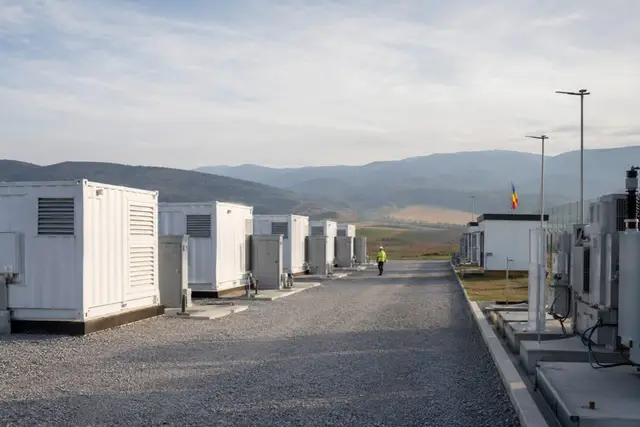
Romania's EUR 150 million battery storage call ranks purely on requested aid per MWh, capped at EUR 69,000.
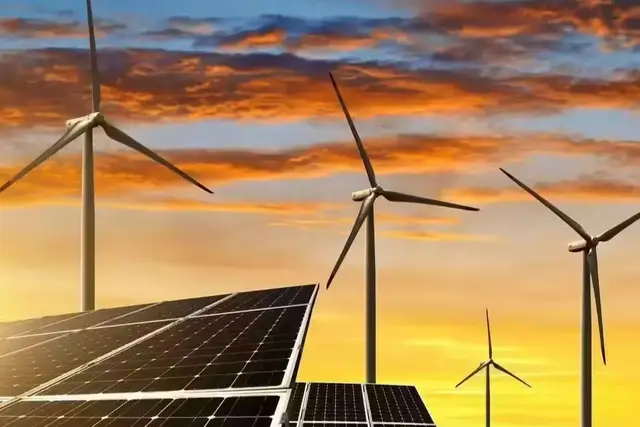
Romania just passed a milestone that would have looked improbable two years ago.